
The house is almost finished.
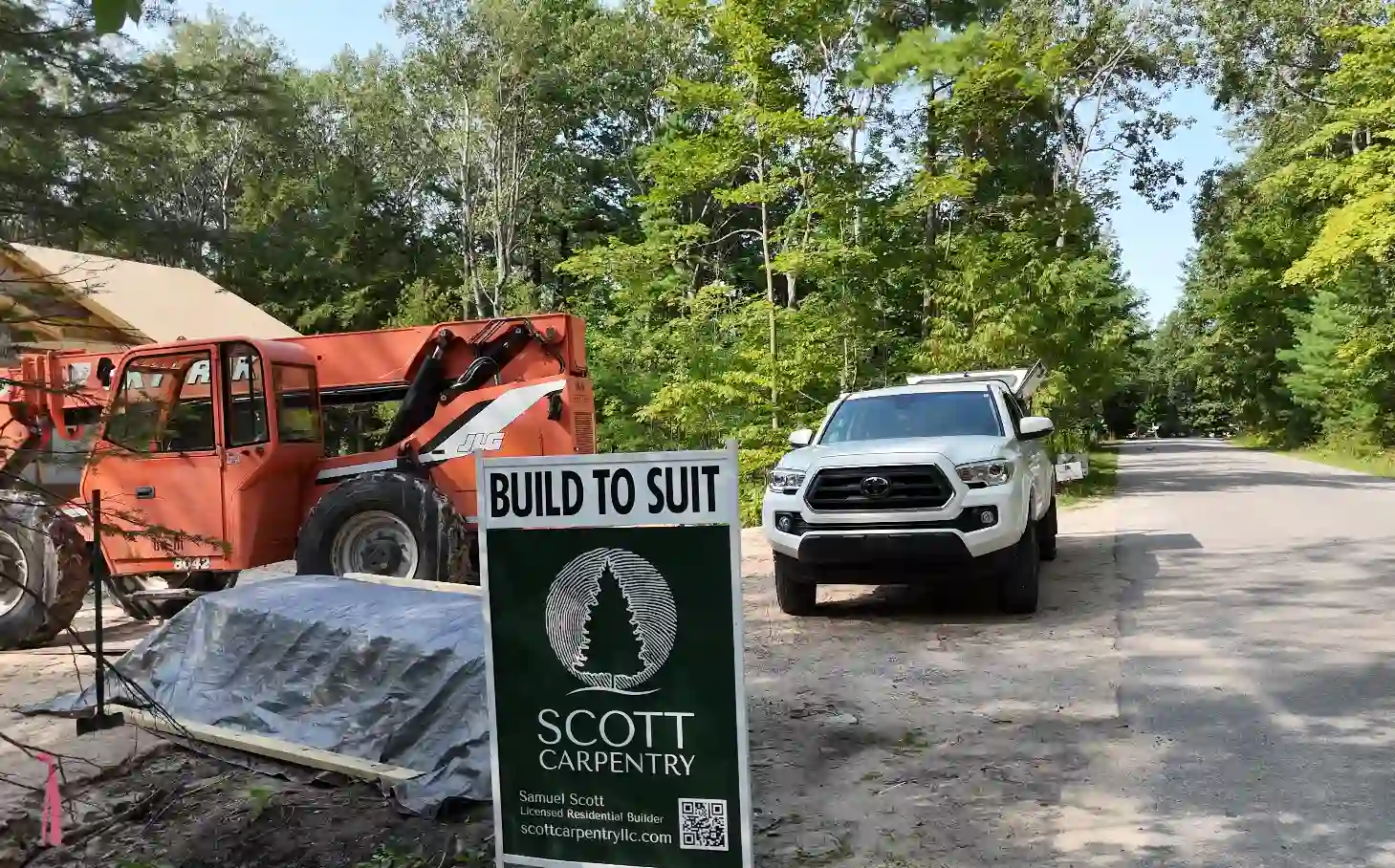
The driveway still needs to be completed. Topsoil still needs to be spread. There are a few punch-list items left inside. The exterior painting is nearly done.
If everything stays on schedule, completion should be measured in weeks, not months.
But the closer this Northport spec home gets to the finish line, the more I realize the construction itself is not the most interesting part of the story.
The more interesting question is why the house was designed this way in the first place.
Because we designed it before we knew who would own it.
But we did not design it blindly.
We designed it around the ownership questions buyers were already asking.
That is why this project connects to a larger idea I keep seeing in Northern Michigan real estate: people are not only buying houses. They are creating Ownership Patterns.
A property is not only what it is.
It is how ownership works over time.
What We Were Hearing From Buyers
Over the last several years, I started hearing a similar theme in different buyer conversations.
The details changed from person to person, but the concern was often the same.
Some buyers were thinking about adult children who might move back home for a period of time.
Others were thinking about aging parents.
Some wanted better guest space.
Some were working remotely and wanted more flexibility.
Others were thinking ahead to caregiving, changing family needs, or short-term rental use.
A lot of them were not asking for one exact thing.
They were asking for options.
That makes sense.
Nobody really knows what the next ten years will look like. Family situations change. Work changes. Health changes. Finances change. Travel patterns change.
Buyers know that.
So more of them are looking for homes that can adjust if life changes.
Those conversations are part of what I think of as Market Signals. Not market signals in the abstract. Real conversations from buyers about how they expect ownership to work.
Turning Buyer Questions Into Design Decisions
Those conversations influenced this project from the beginning.
My son Samuel designed and built the home. Before construction started, we talked about the kinds of questions buyers were asking and the situations they were trying to prepare for.
The result was a home designed around flexibility.
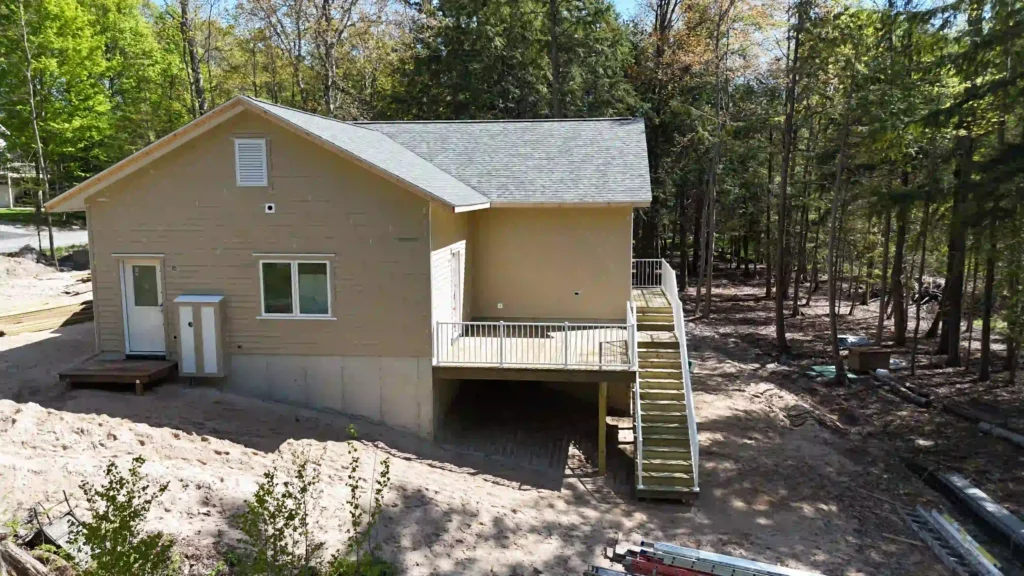
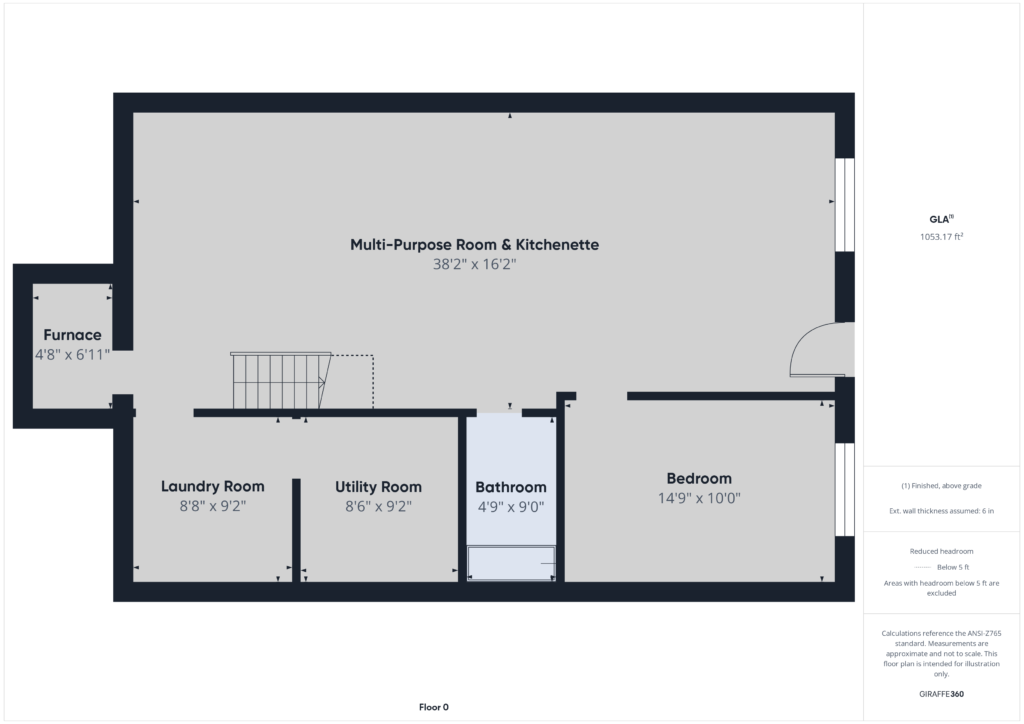
The walkout lower level was planned so it could potentially support:
- a third bedroom
- a third full bathroom
- another kitchen
Not every future owner will want those things.
And not every owner will use the space the same way.
That was the point.
The space could become a more independent living area for an adult child. It could work for aging parents. It could become guest space. It could become an entertainment area, a workspace, or simply more room for family and friends.
The exact use is impossible to know.
The need for flexibility is not.
That is a Property Usability question, not just a floor-plan question.
What We Did Not Know
We did not know who would eventually buy the home.
We did not know whether the future owner would use it as:
- a primary residence
- a second home
- a multigenerational home
- a guest-oriented property
- a short-term rental
- some combination of those things
What we did know was that buyers were placing more value on flexibility.
So instead of designing around one specific owner, we designed around several possible ownership paths.
That distinction matters.
A lot of homes are built around how life looks right now.
The homes that tend to age best are often the ones that leave room for how life may look later.
That is one way to reduce Use Decay. A feature is more likely to remain useful when it can adapt to changing ownership needs.
Privacy Was Part of the Design
One of the strongest features of the property is not something you can add later.
The wetlands behind the home create a natural buffer.
That changes how the property feels.
This is not privacy created by a fence or a row of landscaping. It comes from the site itself.
Over time, I have become more interested in what I call Practical Privacy.
Not privacy as a marketing word.
Actual, day-to-day privacy during ownership.
The wetlands help create that feeling behind the house. That kind of privacy is difficult to manufacture after a home is already built.
This is another reason site selection matters. A house can be designed well, but the land still shapes how ownership feels.
The Energy Performance Surprise
One of the surprises during construction was how well the home performed from an energy standpoint.
Samuel used double-stud wall construction as part of the design. We expected it to perform well.
It performed better than expected.
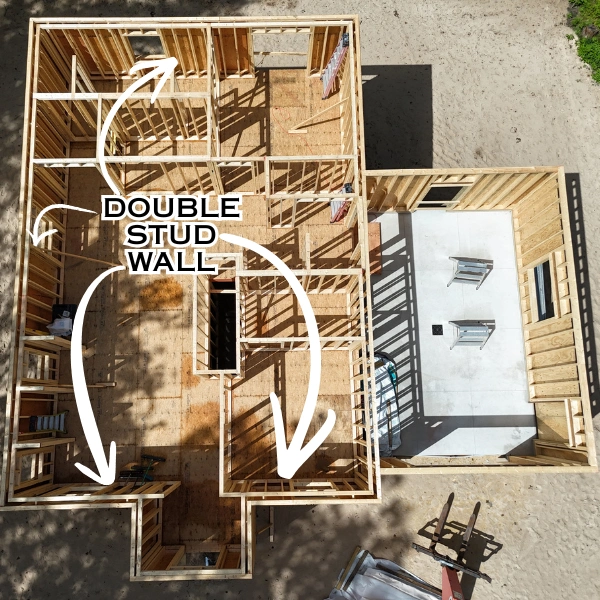
During the winter, even while construction was still underway, the heating costs stayed remarkably low. The highest monthly heating bill never exceeded roughly sixty dollars.
That matters.
Ownership is not just purchase price.
It is operating cost too.
Energy efficiency may not be the feature that makes someone fall in love with a house during the first showing. But over time, it can become one of the features owners appreciate most.
This is another part of Property Usability. A home is not only useful because of layout. It is also useful because it is practical to operate, maintain, heat, cool, and live in over time.
STR Approval Is Only One Possible Path
The home has also received short-term rental approval.
That adds another layer of flexibility.
But I do not think STR approval is the main story.
It is one possible ownership path.
A future owner may use the home personally. Another may use it as a second home. Another may use it as a short-term rental. Another may blend those uses.
The larger point is that the design preserves options.
The approval matters because it expands what a future owner may be able to do.
It is not the reason the home was designed this way.
That distinction is important because STR Viability is never just about whether a property looks rentable or whether approval exists. A property still has to work legally, physically, operationally, seasonally, and financially.
In this case, STR approval is best understood as optionality.
It is one layer of flexibility inside a broader ownership pattern.
What This Says About Ownership Patterns
One of the recurring ideas on this website is that people are not only buying properties.
They are creating ownership patterns.
A property is not only what it is.
It is how ownership works over time.
This project reinforced that for me.
The most important design decisions were not really about countertops, paint colors, or finishes.
They were about how people might actually live.
How many people could live comfortably under one roof?
How much separation might they need?
Could the house adapt if circumstances changed?
Could it remain useful over time?
Those are ownership questions.
Not just construction questions.
When buyers do not think about those questions early, they can run into Interpretation Gap Risk. They believe they are buying one ownership experience, but the property delivers another.
What This Teaches Vacant Land Buyers
There is also a lesson here for vacant land buyers.
Many people begin their land search by looking at:
- acreage
- frontage
- views
- location
- price
Those things matter.
But before choosing a parcel, buyers should spend time thinking about how they want ownership to work.
The right building site for a retired couple may be very different from the right site for a growing family.
The right site for a future short-term rental may be different from the right site for a multigenerational home.
The lot determines what can be built.
The ownership goals help determine what should be built.
That is why I encourage land buyers to think about long-term fit before they ever start drawing floor plans.
Good design starts before construction.
In many cases, it starts before the land is even purchased.
For vacant land buyers, that means looking beyond acreage and asking practical questions about Buildability Gap, Legal Access, Infrastructure Gap, and Septic Suitability.
The Northern Michigan Land Ownership Guide is the best starting point for understanding those issues before a buyer gets too attached to a parcel.
Samuel’s Execution
The other lesson from this project is that design ideas only matter if they are executed well.
One thing that has stood out throughout construction is the reaction people have when they see the workmanship.
The feedback has been consistent.
People are impressed.
That part does not surprise me.
Samuel has spent years building and working on homes throughout Northern Michigan.
The craftsmanship matters.
But what interests me most is how that craftsmanship supports the larger idea.
The goal was never simply to build a nice house.
The goal was to build a home that could adapt as ownership needs change.
That is what makes this project useful as a case study. The workmanship matters, but the deeper lesson is how buyer signals, site conditions, energy performance, privacy, and flexibility came together in the design.
Designing for Uncertainty
Most homes are designed around a known family.
This one was not.
It was designed before the future owner was known.
That forced us to think differently.
Instead of designing around one specific lifestyle, we designed around a set of possibilities.
The result is a home that can support more than one ownership path.
Whether that flexibility eventually becomes guest space, family space, rental flexibility, multigenerational living, or something else will depend on the future owner.
But the flexibility is there.
And in a world where more buyers are telling me they are not sure exactly what the next decade will look like, that may be one of the most valuable features a home can have.
Related Northern Michigan Ownership Resources
- Ownership Patterns in Northern Michigan Real Estate
- Property Usability
- Northern Michigan Market Signals
- Living in Northport, Michigan
- Northern Michigan Land Ownership Guide
- Buildability Gap
- Infrastructure Gap
- Legal Access
- Septic Suitability
- STR Viability
- Practical Privacy
- Use Decay
- Interpretation Gap Risk
Frequently Asked Questions
Why was this Northport home designed before the final owner was known?
The home was designed around recurring buyer questions rather than one known household. Buyers were asking for flexibility around adult children, aging parents, guests, remote work, caregiving, second-home use, and short-term rental optionality.
What does this project teach about Ownership Patterns?
It shows that a property is not only a collection of features. A property creates an ownership experience over time. Flexible design can help a home remain useful as family needs, work patterns, rental plans, and ownership goals change.
Is STR approval the main point of the article?
No. STR approval is one possible ownership path, but it is not the main story. The larger point is that the home was designed to preserve flexibility for different future ownership patterns.
What should vacant land buyers learn from this project?
Vacant land buyers should think about ownership goals before choosing a parcel or designing a home. The lot determines what can be built, but the ownership goals help determine what should be built.
Why does practical privacy matter in home design?
Practical privacy affects how ownership feels day to day. In this case, wetlands behind the home create a natural buffer that would be difficult to manufacture later through landscaping or fencing.
