
Most homeowners assume upgrading appliances will increase their home’s value.
In most cases, it doesn’t.
What it changes is how a buyer reacts in the moment.
This is a form of Interpretation Gap Risk.
Where the Misread Happens
Buyers don’t look at appliances as a line item.
They read them as a signal.
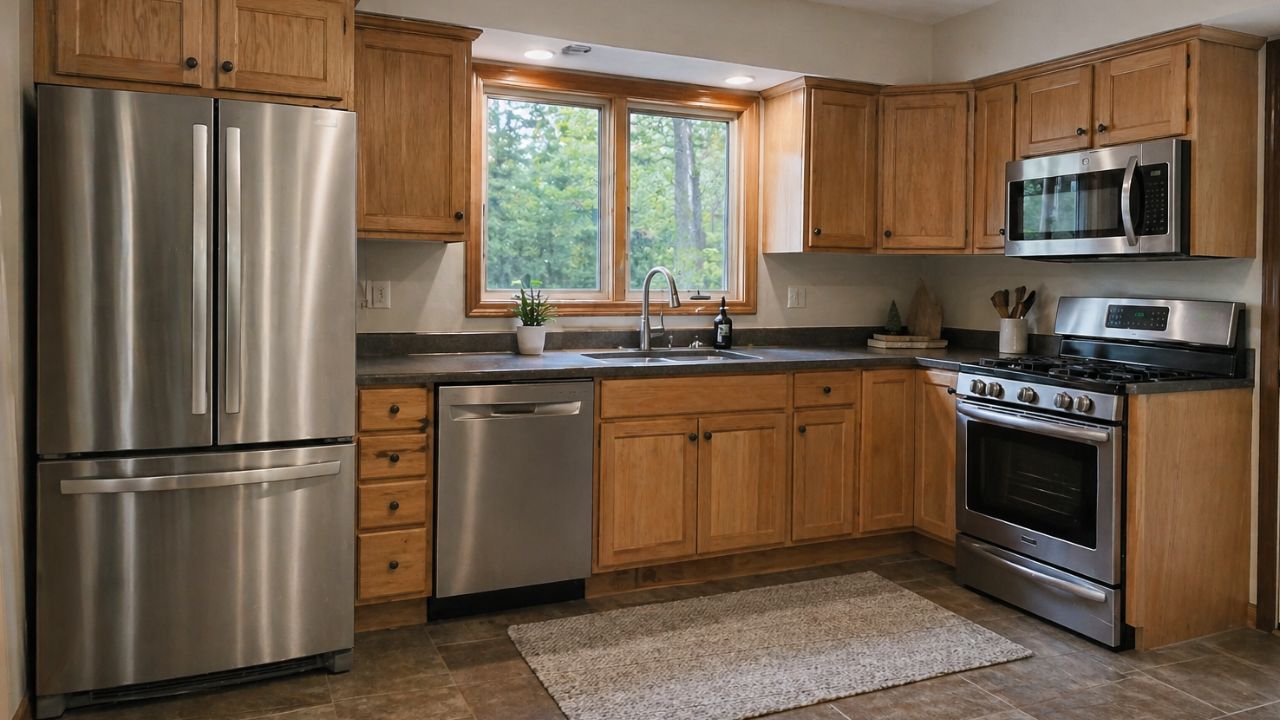
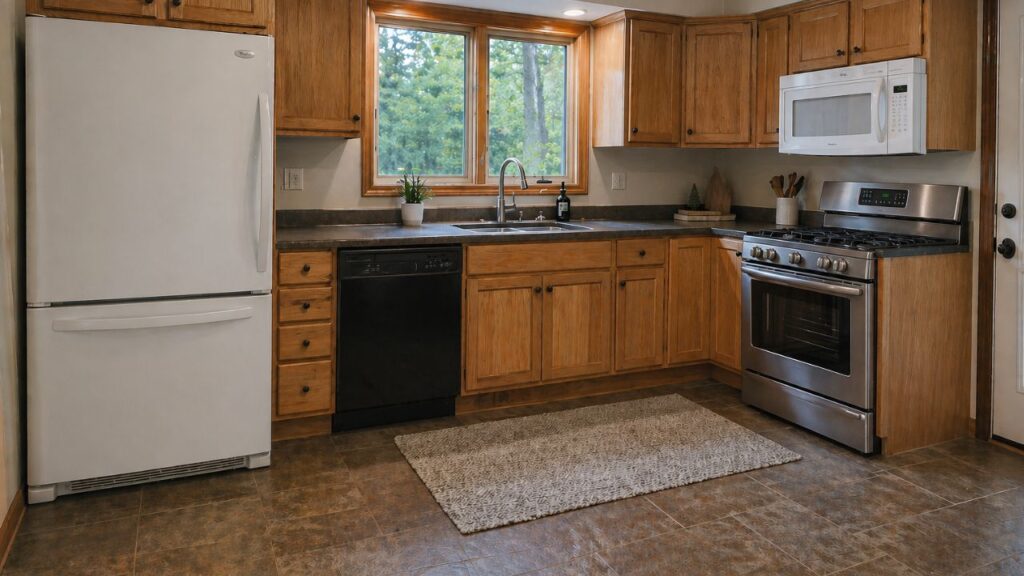
When they walk into a kitchen and see mismatched finishes, worn units, or appliances that don’t feel maintained, they don’t start calculating replacement cost.
They start asking a different question.
What else has been overlooked?
That shift happens quickly, often before they’ve even finished the walkthrough.
The Friction Point
Appliances don’t create value on their own.
But they can slow a decision down.
Or keep it moving.
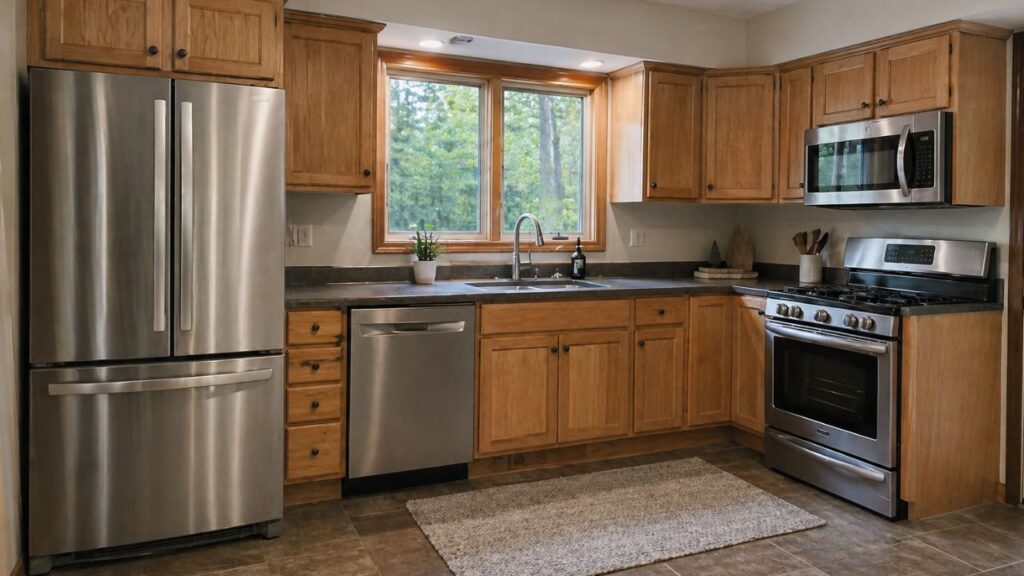
When everything works, matches, and feels consistent, it removes one more reason for a buyer to hesitate.
When it doesn’t, it adds another layer of doubt.
And those layers stack.
Why This Shows Up in Negotiations
Most deals don’t fall apart because of one major issue.
They fall apart because of accumulation.
A few small concerns turn into hesitation.
Hesitation turns into weaker offers or longer timelines.
Appliances are often one of the first visible friction points in that process.
When they feel off, buyers don’t isolate the issue. They adjust how they feel about the entire property.
Why It Matters More in Northern Michigan
This shows up more clearly in markets like:
- Northport
- Suttons Bay
- Leelanau County
A large share of buyers here are:
- second-home buyers
- short-term rental buyers
- seasonal owners
They’re not just evaluating the property. They’re evaluating how easy it will be to own.
Appliances become part of that read.
If something feels off, it raises questions about maintenance, readiness, and how much work the property will require after closing.
Where Sellers Get It Wrong
Upgrading appliances can help.
But only to a point.
Over-improving creates a different problem.
A high-end appliance package in a mid-range home doesn’t necessarily increase value. It can feel out of place, and buyers don’t always assign it additional worth.
The upgrade doesn’t translate the way sellers expect.
What This Actually Means
Appliances don’t move value in a direct way.
They shape the decision process.
They influence:
- how confident a buyer feels
- how clean the walkthrough experience is
- how quickly a buyer moves forward
That’s where the impact shows up.
Decision Impact
This changes the question.
Instead of asking:
“Will this increase value?”
A more useful question is:
Does this remove hesitation, or does it introduce it?
That’s what determines whether appliances help—or get in the way.
