
Water in a basement or crawl space doesn’t automatically reduce home value.
But uncertainty around it often does.
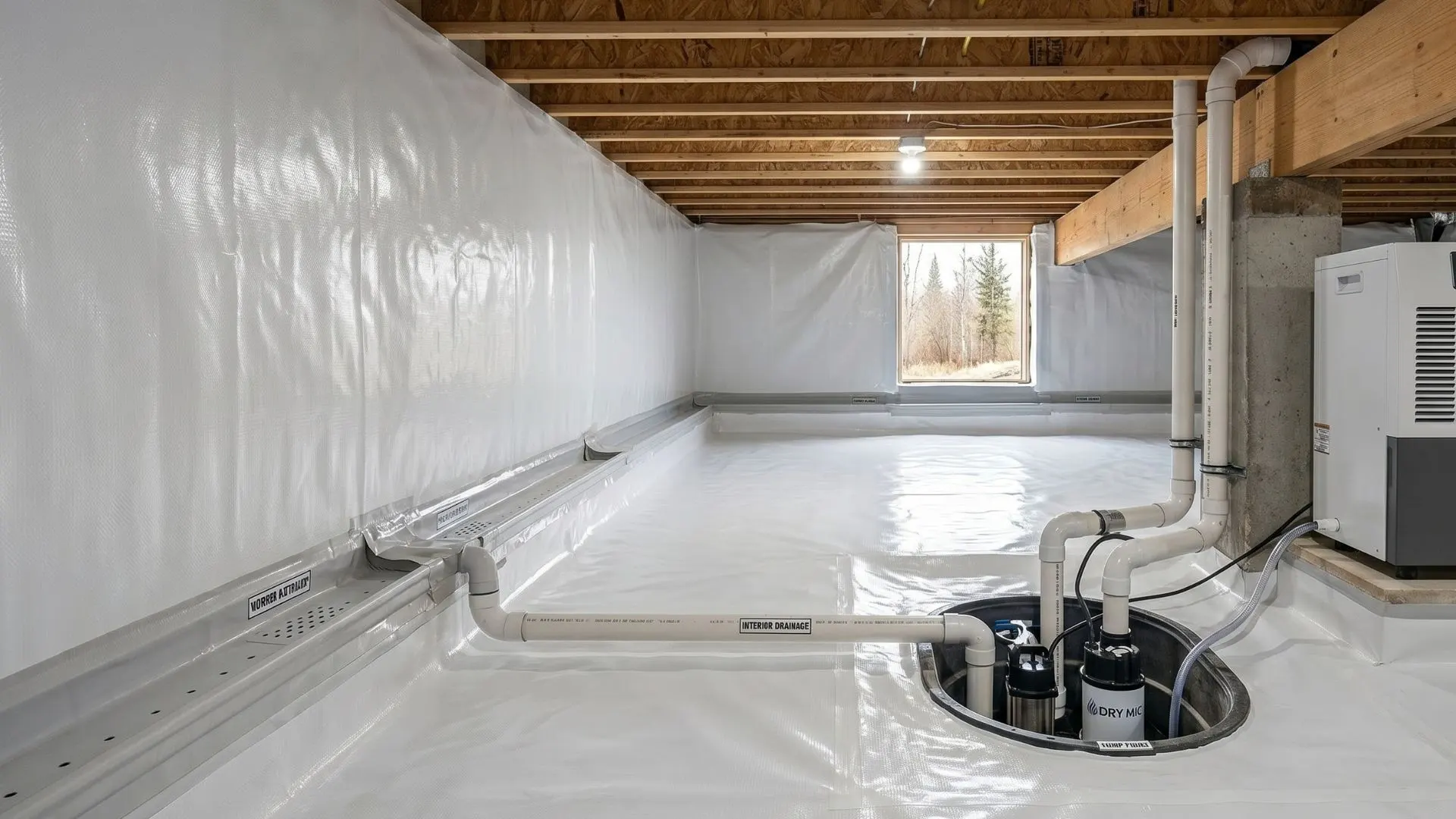
In Northport, these issues tend to carry extra weight because many homes are older, groundwater conditions vary from lot to lot, and a meaningful share of buyers are coming from outside the area. They may not know what is common here and what is not.
That distinction matters.
A manageable drainage issue can be interpreted as a structural problem. Seasonal moisture can get treated like a permanent defect. Once that happens, buyer confidence drops quickly.
Why Water Issues Stand Out More in Northport
Water intrusion is not new in Northport. It’s just more visible in some years than others.
Common contributors include:
- high water table conditions
- heavy snow followed by spring melt
- intense rainfall periods
- poor grading around older homes
- clogged roadside ditches
- aging gutters and downspouts
- crawl spaces common in older cottages
- seasonal groundwater movement
Within the Village of Northport, where many homes were built in earlier eras, drainage patterns can vary significantly from one property to the next.
Two neighboring homes can behave very differently.
Why Buyer Perception Often Matters More Than the Moisture
Most buyers don’t separate water issues into neat categories.
They don’t distinguish between:
- condensation
- isolated seepage
- seasonal dampness
- surface runoff problems
- chronic intrusion
They hear:
“There has been water in the crawl space.”
And they often translate that into:
- mold
- hidden repairs
- resale problems
- ongoing maintenance
- negotiation headaches
This is especially common with second-home buyers, relocating buyers, and short-term rental buyers who usually prefer low-friction ownership.
Some buyers lose interest before they understand the actual issue.
Seller Disclosure in Michigan
Michigan sellers are commonly asked to complete a Seller Disclosure Statement that includes questions about basement or crawl space water history.
That creates anxiety for some sellers.
The practical reality is this:
Disclosure does not usually kill deals. Poor handling does.
What buyers care about most is:
- Was the cause identified?
- Was it corrected?
- Is the condition controlled now?
- Is there documentation?
- Does the seller appear transparent and responsible?
A disclosed issue with a clear explanation often performs better than visible warning signs with no explanation.
Not Every Water Problem Needs a $20,000 to $35,000 Interior System
This is where many homeowners spend money too quickly.
Water can come from several sources:
- roof runoff near the foundation
- grading toward the house
- clogged ditches
- failed downspouts
- low spots holding water
- groundwater pressure
- interior humidity
Different causes require different solutions.
Some homes genuinely need drainage systems, sump pumps, encapsulation, or waterproofing.
Others respond to simpler fixes:
- regrading soil away from the home
- extending downspouts
- restoring ditch flow
- redirecting runoff
- improving ventilation
- adding surface drains
Diagnosis should come before major spending.
Real Northport Examples
Example 1: Corrected Crawl Space, Mixed Buyer Reactions
In one Village of Northport sale, a crawl space already had a professionally installed moisture-control system.
Some buyers saw that as reassurance.
Others assumed the original issue must have been severe.
The same repair can calm one buyer and alarm another.
Example 2: Small Puddle, Large Proposal
In another transaction, a buyer focused on a small puddle in one corner of an otherwise dry crawl space.
A major interior repair was proposed.
At the same time, a local excavator believed restoring an exterior drainage ditch could substantially reduce the issue at a far lower cost.
Different professionals often view the same problem through different lenses.
Example 3: Basement Moisture and the Value of a Second Opinion
Another Northport-area homeowner received a significant repair proposal after noticing basement water.
Before evaluating grading, gutters, runoff patterns, or exterior drainage, it is hard to know whether the most expensive solution is the right one.
How Value Gets Affected
Water issues usually affect value through friction, not math.
Reduced Buyer Pool
Some buyers eliminate any home with moisture history.
Stronger Negotiation Pressure
Credits and price reductions become more likely.
Longer Time on Market
Uncertainty slows decisions.
Financing or Insurance Scrutiny
Visible conditions can trigger added questions.
Future Resale Concern
Buyers think ahead. They know they may need to explain it later.
What Sellers Should Do Before Listing
Before spending major money, first understand the source.
Useful early steps:
- note when water appears
- inspect gutters and downspouts
- review grading around the home
- evaluate exterior drainage paths
- get more than one opinion
- fix visible maintenance items
- keep records of work completed
The goal is not to hide anything.
The goal is to understand the issue accurately and respond proportionately.
A Northport-Specific Reality
Northport buyers often include:
- retirees
- second-home buyers
- seasonal owners
- short-term rental investors
- relocating households
Many are looking for simplicity.
That means even modest moisture issues can create outsized concern if they are poorly explained.
Homes that feel understood and well-maintained tend to perform better.
Final Take
Water in a basement or crawl space does not automatically destroy value.
But uncertainty can.
In Northport, where housing stock is older and many buyers come from outside the area, diagnosis and communication often matter as much as the moisture itself.
Not every issue needs the most expensive fix.
Sometimes the smartest first step is figuring out what is actually causing the problem.
Need a Practical Northport Perspective?
If you own a home in Northport and are unsure whether a water issue requires a major repair or a smarter first step before listing, I’m available for a practical pre-sale perspective based on how buyers typically react in this market.