A home inspection is a visual review of a property’s major systems and components as they appear at a specific point in time. Inspection reports document observed conditions related to structural elements, the building envelope, mechanical systems, and site-related factors. The sections below outline areas commonly reviewed during a residential inspection and conditions frequently noted in Northern Michigan properties.

Jump to Section
TL;DR — Key Takeaways
- A home inspection describes visible property conditions at a specific time.
- Inspectors document structural elements, envelopes, systems, and site observations.
- Older homes and waterfront sites often show patterns tied to age and location.
- Visual evaluations do not include hidden components unless specialists are engaged.
- Inspection reports reflect observed conditions without assigning value judgments.
The video below provides an overview of home inspection components and common conditions encountered during property evaluations. It is included here for informational context. Mentions of specific companies or professionals in the video do not imply endorsement by this site and do not provide advice.
Foundation and Structure
Inspection reports typically note visible foundation characteristics such as wall materials, surface cracking, signs of displacement, moisture staining, and support conditions. These observations describe how the structure appeared on the day of inspection and whether noticeable movement patterns were present.
Roof and Envelope
Roof coverings, flashing, gutters, and drainage components are reviewed as part of the building envelope. Materials such as asphalt shingles, metal roofing, and shakes show different wear patterns over time. Observations may include curling, cupping, discoloration, surface loss, and the condition of wall cladding and seals around penetrations.
Waste Handling Systems
Septic system observations typically document tank type, distribution components, visible piping, and drain field characteristics where accessible. Soil conditions near absorption areas and nearby vegetation are noted. For properties connected to municipal sewer, accessible portions of the homeowner’s lateral line may be scoped to document material type and alignment.
Common Conditions in Older Homes
Properties built prior to 1980 often display features associated with building practices of their time. Materials such as asbestos-containing ceiling tiles or duct wrap may be present. Window condition, insulation coverage, and floor levelness vary based on age and maintenance history. These observations are recorded without interpreting health risk unless laboratory analysis is available.
Waterfront and Site Context
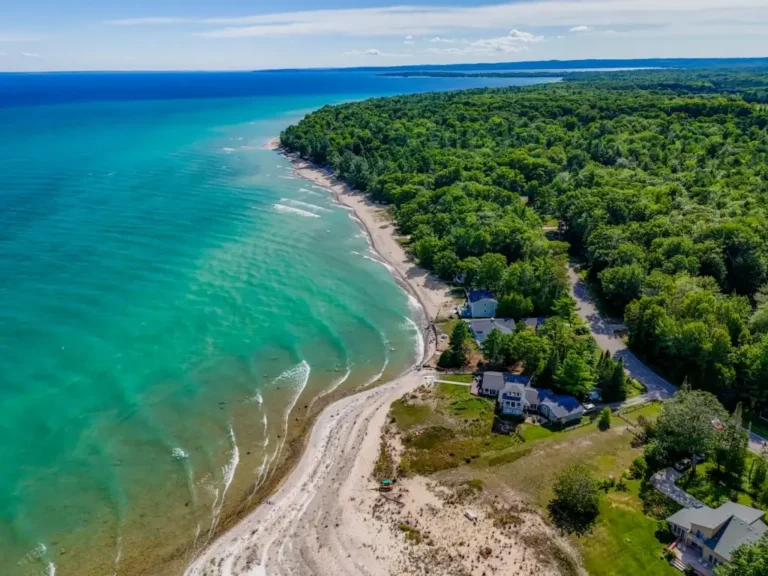
Homes located near lakes or rivers may show site conditions related to soil moisture, grading, and ground cover. Shoreline type and proximity to water can influence moisture levels around foundations. Exterior observations often include grading slopes, vegetation patterns, and visible erosion features.
Attic and Insulation Observations
Attic areas, where accessible without altering finished materials, are reviewed for framing condition, insulation coverage, ventilation paths, and roof penetration flashings. Thermal imaging may be used to document temperature differences across assemblies when inspection conditions allow.
Limitations of Visual Evaluation
Inspection reports reflect conditions visible on the day of inspection without destructive access to concealed areas. Components hidden by finishes, stored items, or soil are not observable unless additional investigation is performed by specialized contractors or laboratories.
Inspection Reports as Point-in-Time Records
Inspection reports compile documented observations and may include photographs, material descriptions, and references to standard practices in place at the time of inspection. Reports do not assign value judgment or attempt to predict future performance. Each report reflects conditions observed at the specific date and time of the inspection.