Luxury real estate markets tend to evolve gradually, with individual transactions offering snapshots rather than definitive shifts. In Traverse City, a recent high-priced condominium sale has drawn attention as an example of how high-end properties are being evaluated in a lifestyle-oriented setting.
This article uses that transaction as contextual reference material to describe observed patterns in Traverse City’s luxury segment. The focus is on how value appears to be defined in recent activity, rather than on forecasts or recommendations.
Jump to Section
TL;DR — Key Takeaways
- Recent high-end condominium sales in Traverse City provide insight into how luxury is being defined locally.
- Buyer attention appears focused on customization, walkability, and proximity to water.
- Urban waterfront condominiums are increasingly evaluated alongside traditional lakefront properties.
- Smaller, lower-density buildings tend to attract premium interest.
- High-end inventory remains limited, shaping activity at the upper end of the market.
A Recent High-End Condo Sale as Market Context
A condominium sale at 100 Park reached a price-per-square-foot level that stands out within Michigan’s residential market. While record figures often attract attention, the transaction is most useful as an illustration of buyer priorities.
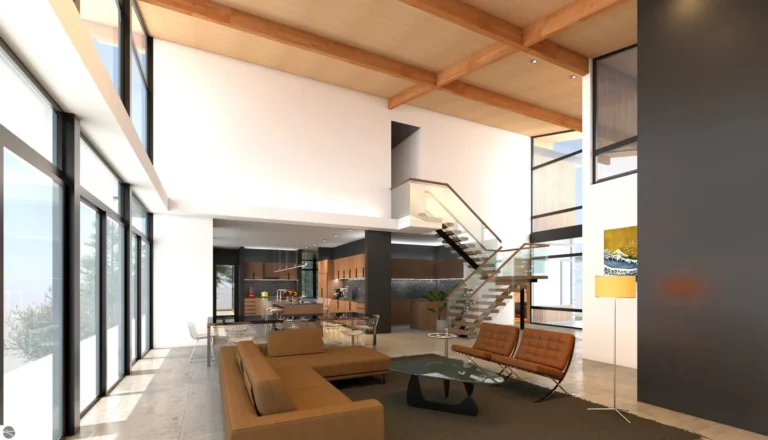
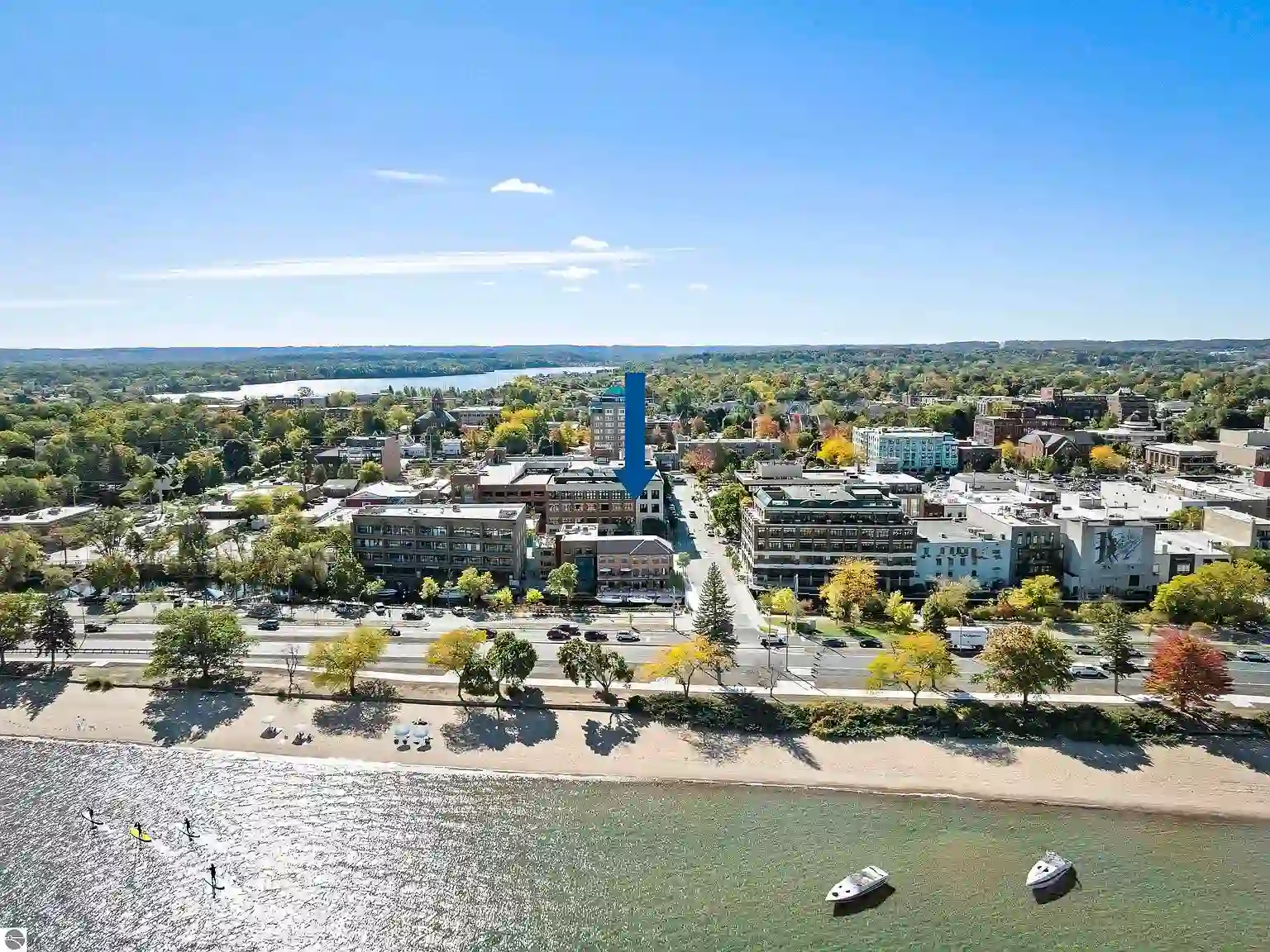
The unit was sold with a white-box interior, allowing finishes to be completed independently. The building’s location, scale, and proximity to the Boardman River and downtown Traverse City were central characteristics.
Rather than indicating a sudden market change, the sale functions as a data point showing how certain attributes are being weighted in high-end purchases.
How Luxury Is Being Defined Locally
Observed activity suggests that luxury in Traverse City is defined less by size alone and more by how a property integrates into daily life.
Factors such as walkability, access to water, privacy within smaller buildings, and proximity to cultural and recreational amenities appear frequently in transaction discussions. These attributes influence how properties are compared, even as traditional lakefront estates remain part of the market.
This pattern reflects broader lifestyle preferences rather than a departure from established luxury categories.
Customization and Interior Control
The white-box configuration of the 100 Park unit highlights interest in interior control among some high-end buyers.
Instead of accepting predetermined finishes, buyers may prefer the ability to shape layout, materials, and lighting. This shifts emphasis from turnkey completion to flexibility and personalization.
Observed patterns indicate that customization is often treated as a core component of value in upper-tier transactions.
Walkability and Waterfront Proximity
Traverse City offers a combination of water access and urban convenience that is less common in smaller markets.
High-end buyers appear to consider how easily daily routines connect to waterfront paths, marinas, dining, and cultural venues. This proximity influences how properties are experienced and compared.
In this context, urban waterfront condominiums are increasingly evaluated alongside traditional shoreline homes as alternative expressions of place rather than direct substitutes.
Building Scale and Density
Building scale plays a role in how exclusivity is perceived within the luxury segment.
Smaller buildings with limited unit counts are often associated with privacy and intentional design. In the case of 100 Park, the low number of units contributed to how the property was framed in the market.
Observed interest suggests that density remains a meaningful factor even within urban settings.
Migration and Buyer Profiles
Traverse City’s luxury market includes buyers from outside the immediate region.
Some relocate from larger metropolitan areas seeking lifestyle change, while others maintain multiple residences. These buyers often emphasize experience, location, and daily quality of life rather than square footage alone.
This mix contributes to demand patterns that are less sensitive to short-term rate changes and more influenced by place-specific characteristics.
Inventory Constraints in the Upper Tier
High-end inventory in Traverse City remains limited.
Few properties combine waterfront proximity, walkability, modern design, and low-density construction. When such properties become available, they are often evaluated against a narrow set of alternatives.
Observed pricing behavior reflects this constraint, with comparisons frequently made across categories rather than within a single property type.
What the 100 Park Sale Illustrates
The 100 Park transaction illustrates how multiple elements can converge in a single offering.
Customization potential, location, building scale, and water access combined to align with a specific buyer profile. The resulting price reflects how those factors were weighted in that instance.
Rather than serving as a benchmark for all luxury properties, the sale provides context for how certain configurations are being valued.
Summary of Observations
Traverse City’s luxury real estate market appears to be diversifying rather than escalating uniformly. Recent activity suggests buyers weigh customization, walkability, building scale, and proximity to water alongside more traditional measures of prestige.
The patterns described here are presented as contextual reference material, illustrating how recent transactions reflect evolving definitions of luxury within a lifestyle-oriented market, without directing outcomes or decisions.