Real estate pricing is often discussed in terms of neighborhood trends, property condition, and timing. Less frequently examined is how sale structure itself can influence outcomes.
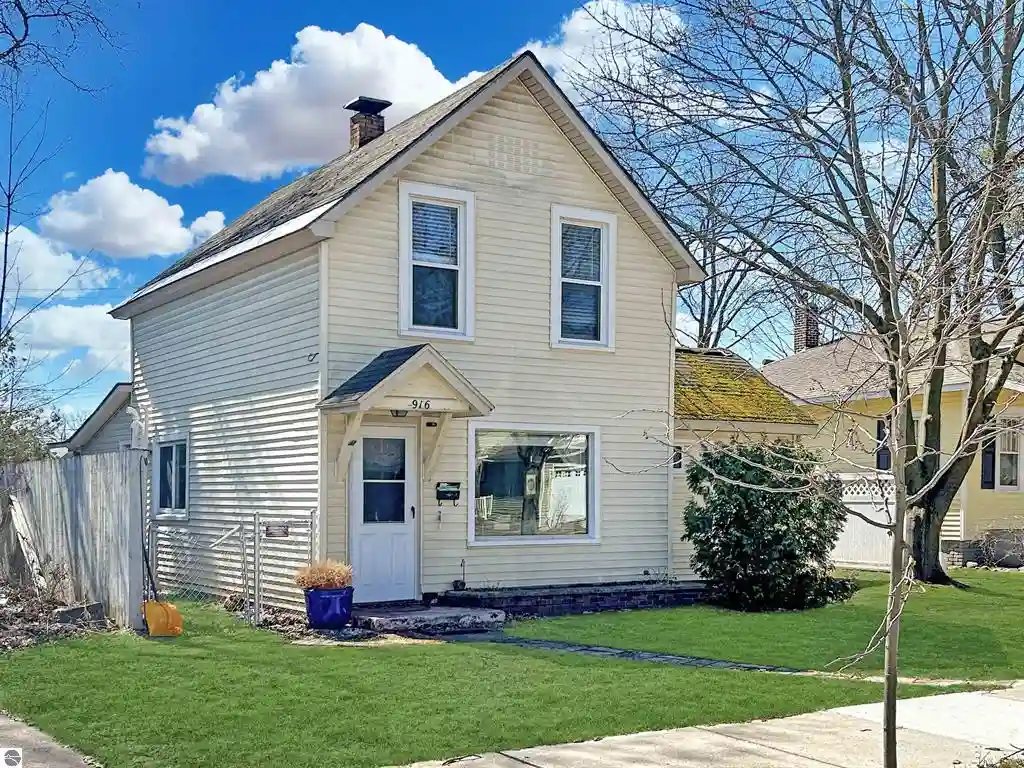
In 2025, a court-appointed sale at 916 Webster Street in Traverse City closed at a price that stood out when compared with nearby transactions. This article uses that sale as contextual reference material to describe how court-supervised transactions differ from conventional listings and how those differences influence pricing.
Jump to Section
TL;DR — Key Takeaways
- A court-appointed sale on Webster Street closed below typical Oak Park pricing.
- The outcome reflected sale structure rather than property condition.
- Court oversight can limit marketing flexibility and buyer participation.
- Reduced visibility often narrows the pool of interested buyers.
- Pricing outcomes in these cases tend to reflect process mechanics more than market demand.
The 916 Webster Street Sale as Context
The property at 916 Webster Street is a three-bedroom home located in the Oak Park neighborhood of Traverse City. The home was structurally sound and situated near amenities typically associated with stronger pricing in the area.
Despite these characteristics, the sale closed at $313,500, below recent neighborhood medians. Observed patterns indicate that the pricing outcome reflected the conditions of the court-appointed sale rather than a broader change in Oak Park market performance.
How Court-Appointed Sales Differ
Court-appointed sales operate under legal supervision. A court-appointed receiver or representative manages the transaction with an emphasis on compliance, documentation, and resolution.
Common characteristics of these sales include limited flexibility in timelines, required court approvals, constrained communication, and a procedural focus rather than presentation. These elements influence how a property is marketed and how buyers interact with the listing.
Visibility and Buyer Awareness
Court-appointed listings often receive reduced visibility compared with conventional listings.
Marketing materials may be minimal, showing windows can be limited, and descriptions are typically factual rather than narrative. Lifestyle framing is often absent.
Observed patterns suggest that some buyers overlook these listings during standard searches, which narrows the pool of participants and reduces competition.
Timing Constraints and Sale Structure
Court-supervised sales are frequently governed by timelines tied to legal proceedings rather than market conditions.
When timing is externally dictated, sellers are unable to wait for peak demand periods. This constraint can influence pricing outcomes, particularly when buyers require additional time to evaluate non-standard terms or processes.
Observed transactions indicate that timing pressure combined with limited flexibility contributes to lower closing prices in some cases.
Comparison to Oak Park Market Conditions
Oak Park has shown consistent buyer interest and reinvestment in recent years. Comparable homes in the neighborhood have generally sold within higher price ranges and shorter timeframes.
When the 916 Webster Street sale is compared with these trends, the pricing difference highlights the influence of sale structure rather than changes in neighborhood demand.
The property’s location and layout aligned with broader Oak Park patterns, reinforcing that the outcome was process-driven.
Buyer Behavior in Non-Standard Sales
Buyer response to court-appointed listings often differs from response to conventional listings.
Some buyers avoid transactions involving additional documentation or unfamiliar procedures. Others approach cautiously, focusing on process clarity rather than presentation.
Observed behavior suggests that court-appointed sales tend to attract a smaller, more specialized group of buyers, which affects competition levels.
What Court-Appointed Sales Illustrate
The Webster Street transaction illustrates how pricing outcomes can diverge from neighborhood norms when sale mechanics differ.
Court supervision introduces constraints that affect exposure, timing, and buyer participation. These factors interact to produce results that may appear inconsistent with surrounding comparable sales when viewed without context.
Understanding these dynamics helps explain why certain transactions do not align with broader market patterns.
Frequently Asked Questions
Why do court-appointed sales sometimes close below market averages?
Because the transaction prioritizes legal resolution and compliance rather than competitive exposure.
Are court-appointed sales inherently risky?
They involve additional procedural steps, though outcomes depend on title, inspection, and documentation rather than court involvement alone.
Do these transactions take longer?
They often do, due to required approvals and fixed timelines.
Are all court-appointed sales discounted?
No. Outcomes vary based on location, condition, and buyer participation.
Is financing allowed?
In many cases, yes, though timelines and requirements may differ.
Summary of Observations
The 916 Webster Street sale provides an example of how court-appointed transaction structure can influence pricing outcomes in Traverse City.
Rather than indicating neighborhood decline or reduced demand, the sale illustrates how legal oversight, limited visibility, and timing constraints interact to shape results.
The material presented here is offered as contextual reference content, describing how non-standard sale structures function within the Traverse City real estate environment without directing decisions or outcomes.