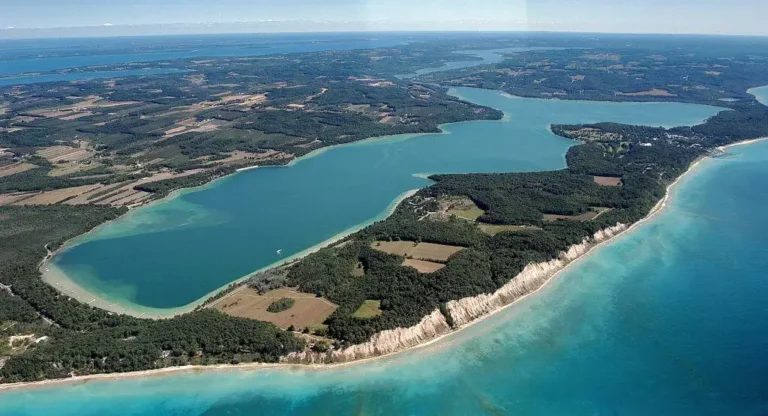
Waterfront properties in Leelanau County occupy a distinct place within the regional housing market. These homes are limited in number, shaped by natural features, and often held for long periods of time. In many cases, they represent more than a residence. They reflect long-term ownership, family history, and patterns of seasonal use.
Because of this, selling a waterfront property tends to follow a different path than selling an inland primary residence. The sections below describe commonly observed patterns in waterfront property transfers across Leelanau County. The focus is on how shoreline features, buyer behavior, and market structure interact over time, rather than on recommendations or tactics.
Jump to Section
TL;DR — Key Takeaways
- Waterfront properties in Leelanau County function differently than inland homes.
- Shoreline type and access influence how properties are used and perceived.
- Pricing behavior sends strong signals early in the marketing period.
- Many buyers encounter waterfront properties long before active searching.
- Legacy properties carry emotional weight that affects transactions.
- Seasonality matters, but availability and uniqueness often matter more.
Why Waterfront Properties Function Differently
Waterfront homes are constrained by geography in ways inland properties are not. Shoreline length is fixed. Access is regulated. Environmental conditions shape how land can be used and altered.
In Leelanau County, many waterfront properties were built or acquired decades ago. Some have never been sold on the open market. This history influences how owners think about value and how buyers approach evaluation.
Observed transactions suggest that waterfront sales involve more emotional weight, longer decision cycles, and greater attention to site-specific characteristics.
Waterfront as a Collection of Micro-Markets
Leelanau County waterfront real estate is not a single market. It is a collection of smaller, distinct segments defined by water type, shoreline composition, elevation, and access.
Northport Bay, Lake Michigan, Glen Lake, Lake Leelanau, and Omena Bay each attract different use patterns. Some buyers prioritize calm water and gradual entry. Others focus on elevation and expansive views. These differences shape how properties are compared and how substitution works.
Treating all waterfront properties as equivalent often obscures these distinctions. Observed outcomes suggest that buyer interest clusters around specific shoreline characteristics rather than broad geographic labels.
How Shoreline Characteristics Shape Use and Perception
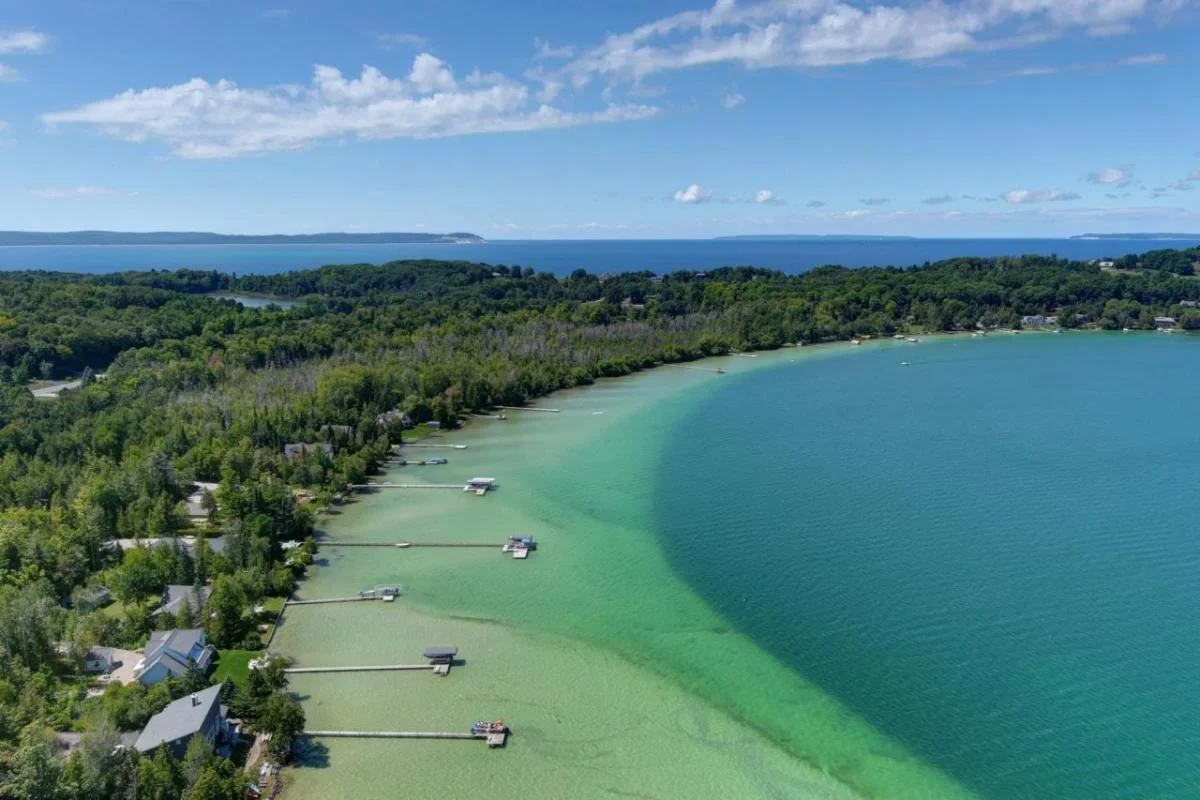
Shoreline composition plays a central role in how waterfront homes are experienced. Sandy bottoms, rocky shorelines, shallow water, sudden drop-offs, and bluff conditions all influence usability.
Sun exposure adds another layer. West-facing properties are often associated with sunset views and evening light. East-facing properties tend to emphasize morning light and quieter evenings. These features influence daily use more than interior finishes.
Bluff height introduces a separate distinction. Elevated sites offer views but limit direct access. Lower-bank properties emphasize proximity and ease of use. Each configuration aligns with different priorities, and buyer perception reflects those tradeoffs.
How Pricing Signals Are Interpreted in Waterfront Sales
Pricing waterfront property involves more than matching nearby sales. Observed patterns suggest that buyers respond to pricing as a signal of scarcity and uniqueness.
When pricing aligns with how buyers perceive a property’s irreplaceable features, interest often concentrates early. When pricing appears disconnected from those features, activity may slow even if the property is visually appealing.
Adjustments made later in the process often reflect how initial signals were received rather than changes in market conditions. In waterfront segments, early pricing behavior appears to carry more weight than in broader residential categories.
Exposure and Buyer Awareness Patterns
Many waterfront buyers encounter properties long before they engage in active searching. Observations across transactions suggest that awareness builds gradually through research, imagery, and repeated exposure.
A portion of the buyer pool resides outside Northern Michigan. These buyers may not appear in local search data immediately, but they often track waterfront inventory over extended periods.
As a result, visibility alone does not determine outcomes. How a property is presented and how clearly its defining features are communicated influence whether interest becomes actionable.
Digital Media and How Buyers Experience Waterfront Property
Waterfront properties rely heavily on visual and spatial context. Buyers often want to understand how a property feels before visiting.
Observed buyer behavior indicates that video, aerial imagery, and shoreline walk-throughs provide information that static photographs cannot. These formats help convey scale, access, and surrounding conditions.
Digital exposure functions less as advertising and more as orientation. It allows buyers to place a property within their mental map of the region before making deeper commitments.
Emotional Distance in Legacy Property Transfers
Many waterfront homes are tied to family history. Sellers may associate properties with decades of memories, traditions, and personal meaning.
Buyers, by contrast, imagine future use. They evaluate how the property fits their own routines, family structure, and long-term plans.
Observed transactions suggest that successful transfers occur when emotional significance is acknowledged without dominating communication. Clarity and consistency tend to reduce friction when expectations differ.
Seasonality and Availability Patterns
Seasonal conditions influence how waterfront properties are experienced, but timing alone does not determine outcomes.
Observed market behavior shows that availability and uniqueness often matter more than month or weather. When a property offers features that are rarely available, interest may concentrate regardless of season.
Different periods attract different types of buyers. Winter often brings focused observers. Spring introduces planners. Summer highlights emotional appeal. Fall captures buyers who are ready after prior misses.
Common Issues That Affect Buyer Confidence
Certain conditions tend to influence buyer confidence during waterfront evaluations. These include visible shoreline erosion, aging docks, unclear permitting history, and deferred maintenance of exterior elements.
Interior condition also matters. Even rustic properties are evaluated for coherence and care. When a property appears neglected or unresolved, buyers often price uncertainty into their expectations.
Observed outcomes suggest that clarity around these issues helps maintain momentum during later stages of a transaction.
Frequently Asked Questions
How long do waterfront sales typically take?
Timelines vary based on shoreline type, pricing alignment, and buyer availability.
Do sunset views influence perception?
Observed buyer interest suggests that west-facing properties often draw attention for evening light.
Are sandy shorelines valued differently than bluffs?
Yes. These configurations attract different use patterns and buyer priorities.
Is winter activity meaningful in waterfront markets?
Winter interest often reflects highly qualified buyers rather than casual browsing.
Does dock condition matter?
Dock usability and permitting clarity are commonly noted during evaluations.
Summary of Observations
Selling waterfront property in Leelanau County involves factors that extend beyond standard residential transactions. Shoreline characteristics, emotional history, pricing signals, exposure patterns, and seasonality all influence how properties are evaluated.
The patterns described here are offered as contextual reference material. They reflect commonly observed dynamics in waterfront property transfers and illustrate how legacy, land, and location shape outcomes over time, without prescribing a specific approach or decision.