
Specific rights and obligations depend on the exact language of the purchase agreement used in the transaction.
How property damage, insurance, and contract structure affect real estate transactions
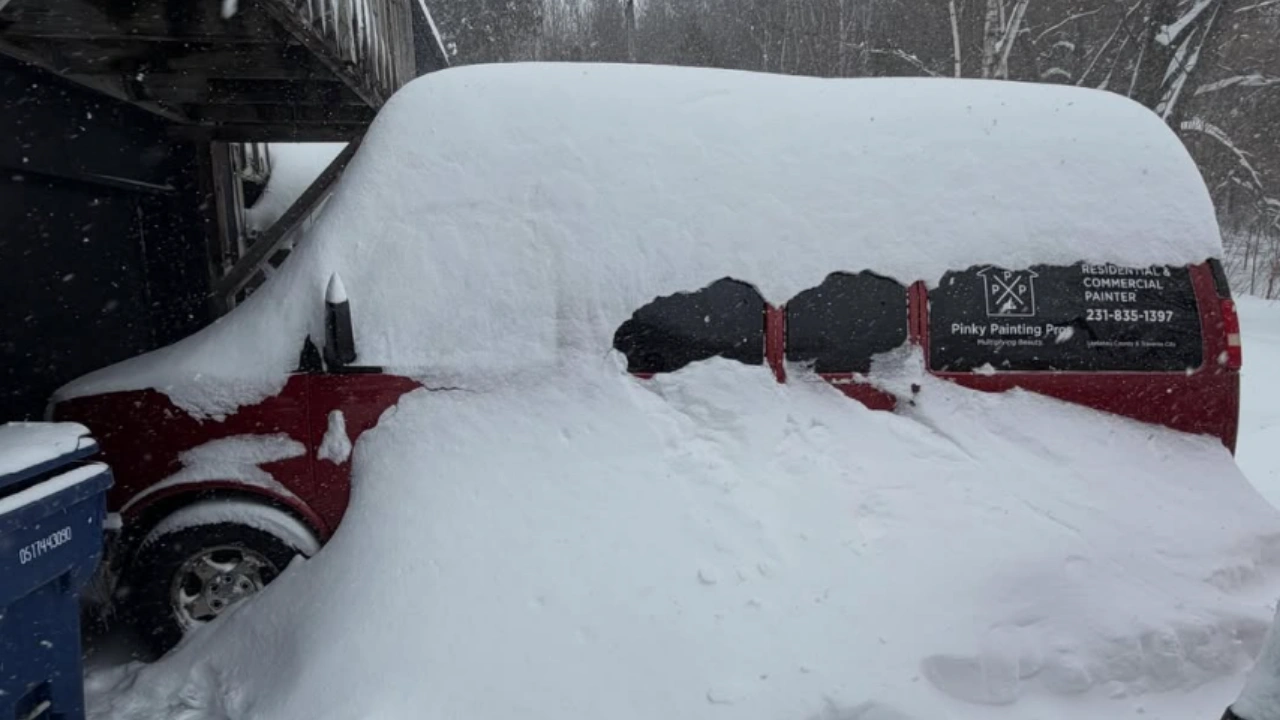
Severe weather events are a recurring condition in Northern Michigan.
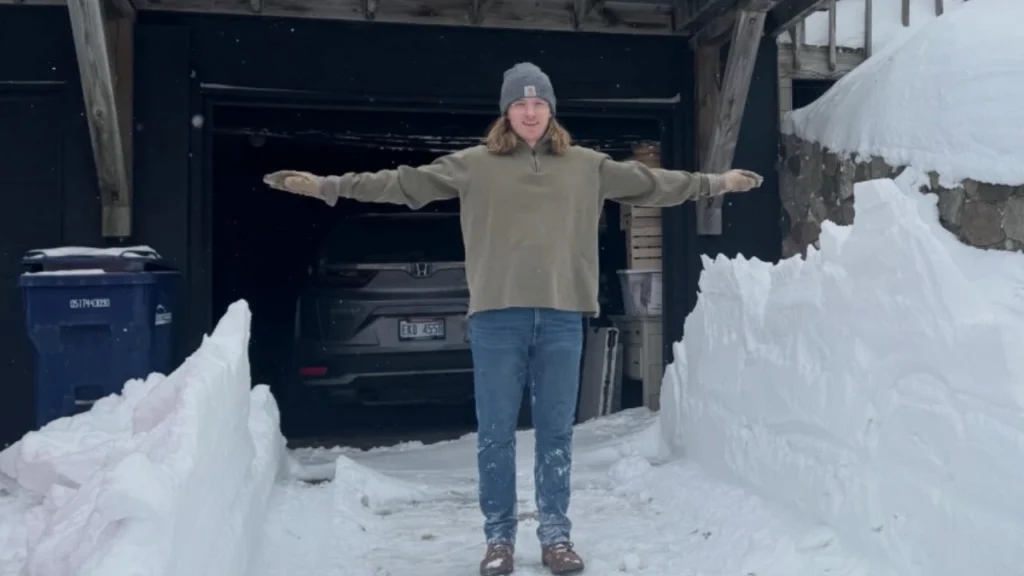
Heavy snow, high winds, and ice storms can cause property damage across large areas within short periods of time. Roof damage, fallen trees, and structural impacts are common after major storm events.
When damage occurs during an active real estate transaction, the outcome is determined by the purchase agreement rather than assumptions about responsibility. In almost every instance when it comes down to a question about who’s responsible for what, the first place to look is the purchase agreement/contract.
Property Damage Before Closing
In a typical real estate transaction, there is a period between contract acceptance and closing.
During this period:
- inspections are completed
- contingencies may be removed
- financing is finalized
- ownership has not yet transferred
If property damage occurs during this window, the transaction does not automatically terminate, and responsibility does not automatically shift to one party.
The outcome is governed by the terms of the purchase agreement.
The Property Damage Clause
Most Michigan purchase agreements include a property damage provision addressing damage prior to closing.
A typical structure provides:
- if the property is materially damaged or destroyed before closing, the buyer may elect to terminate the agreement
- if the buyer terminates, the earnest money deposit is returned and the agreement becomes void
- if the buyer does not terminate, the transaction may proceed and insurance proceeds may be assigned to the buyer
This provision creates two primary paths:
- termination of the agreement
- continuation of the transaction with assignment of insurance proceeds
The controlling factor is the buyer’s election under the contract.
Buyer Election and Timing
The buyer’s response determines how the situation proceeds.
If damage occurs, the buyer may:
- terminate the agreement within the contractual timeframe
- renegotiate terms with the seller
- proceed with closing and accept the condition of the property and any assigned insurance proceeds
Failure to act within the timeframe specified in the agreement may result in the transaction continuing toward closing.
Role of Insurance
Insurance does not control the transaction outcome.
The purchase agreement determines how insurance proceeds are handled.
If the transaction proceeds:
- insurance claims may be assigned to the buyer
- repair responsibility may transfer after closing
- claim payments may occur after closing
Insurance proceeds do not guarantee repairs will be completed before closing.
Lender Requirements
If financing is involved, lender requirements introduce an additional constraint.
Lenders may require:
- confirmation that the property remains in acceptable condition
- completion of repairs prior to closing
- reinspection or updated appraisal
- modification or suspension of loan approval
If the property condition changes materially, the lender may delay or deny closing.
Final Walk-Through
Most agreements provide for a final walk-through shortly before closing.
The purpose of the walk-through is to confirm that:
- the property condition has not materially changed
- agreed-upon repairs have been completed
- no new damage has occurred
In many cases, damage occurring late in the transaction is first identified during the walk-through.
Common Outcomes
When property damage occurs before closing, several outcomes are possible:
- Transaction Proceeds Without Change. Minor damage does not affect closing.
- Transaction Is Delayed. Repairs, insurance claims, or lender review delay closing.
- Transaction Is Renegotiated. Parties adjust price, credits, or repair obligations.
- Transaction Is Terminated. Buyer exercises termination rights under the contract.
- Transaction Proceeds With Insurance Assignment . Buyer proceeds and receives insurance claim proceeds after closing.
Why This Matters in Northern Michigan
Weather-related property damage is more common in regions subject to:
- Heavy snowfall
- High wind events
- Shoreline weather exposure
- Freeze-thaw cycles
As a result, property damage provisions are regularly applied in real transactions.
The Structural Reality
Common assumptions include:
- the seller is required to complete all repairs
- insurance will resolve the issue prior to closing
- the transaction will automatically terminate
These assumptions are not guaranteed.
The outcome is determined by the contract terms and the actions taken by the parties within the required timeframes.
Summary
Property damage prior to closing is governed by contract structure.
The purchase agreement determines:
- whether the buyer may terminate
- whether the transaction proceeds
- how insurance proceeds are handled
In Northern Michigan, where severe weather events are common, these provisions are a recurring component of real estate transactions.
Understanding the structure of these clauses clarifies how transactions respond to property damage occurring before closing.
Practical Trigger Threshold
In many transactions, the distinction between material and minor damage is evaluated based on whether the property remains:
- structurally sound
- safe to occupy
- acceptable to the buyer’s lender
If any of these conditions are not met, the likelihood of the damage being treated as material increases.
Example Contract Language
Below is an example of property damage and walk-through provisions commonly used in Michigan purchase agreements.
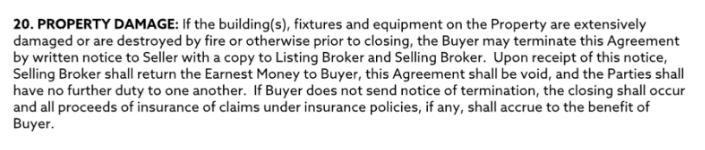

These provisions illustrate how responsibility and decision-making are structured prior to closing.
