Northport, Michigan sits at the northern end of the Leelanau Peninsula, where Lake Michigan, Grand Traverse Bay, and rural inland areas meet. People researching housing in Northport are often trying to understand how lifestyle, geography, and daily living fit together in a place that feels quiet but complete.
This article provides contextual information about living in Northport, including housing types, community structure, and how real estate functions within the village and surrounding township. The focus is on how the place works over time rather than on recommendations or decisions.
Jump to Section
TL;DR — Key Takeaways
- Northport is a small waterfront village at the tip of the Leelanau Peninsula.
- The area combines year-round village life with access to Lake Michigan and surrounding natural areas.
- Housing ranges from village homes to larger township parcels and waterfront properties.
- Limited supply and geography shape long-term housing patterns.
- Daily life is influenced by walkability, recreation access, and seasonal rhythm.
Why Northport Is Often Evaluated Differently
Northport tends to be evaluated differently from other Northern Michigan communities because it functions as a true waterfront village rather than a seasonal resort area.
The village maintains year-round activity supported by a small but steady population. Basic services, public access points, and community events continue throughout the year, creating continuity rather than sharp seasonal swings.
Geography reinforces this pattern. Northport’s location at the end of the peninsula limits through-traffic and large-scale development, contributing to its quieter character.
Village Scale and Year-Round Activity
Northport’s walkable layout, marina, parks, and central business area give it a compact, connected feel. Residents can access groceries, coffee, hardware, fuel, and everyday services without leaving the village.
This balance of convenience and calm shapes daily routines. The village does not rely solely on summer activity to function, which influences how homes are occupied and maintained throughout the year.
Nature, Culture, and Daily Life
Natural surroundings are a defining feature of Northport, but cultural activity also plays an important role. The Northport Arts Association, seasonal music events, markets, and long-standing local traditions contribute to daily life beyond outdoor recreation.
This blend of nature and culture supports a diverse mix of residents, including families, retirees, artists, and remote workers. Community participation tends to feel familiar and locally rooted rather than transient.
Housing Types and Settlement Patterns
Housing in Northport reflects several distinct settlement patterns.
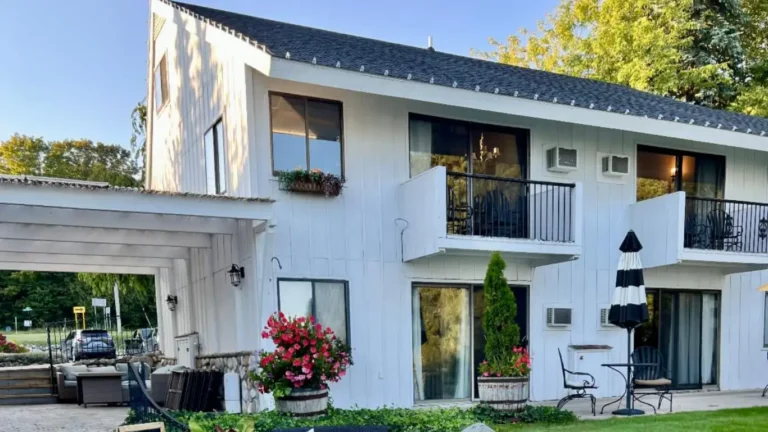
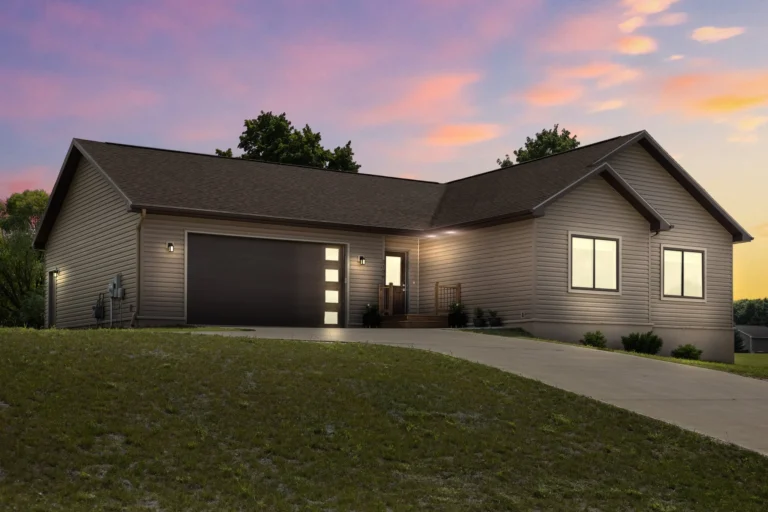
Within the village, homes include historic cottages, in-village residences, and newer construction on smaller lots. Outside the village, Leelanau Township zoning generally requires larger parcels, resulting in lower density and more acreage-based living.
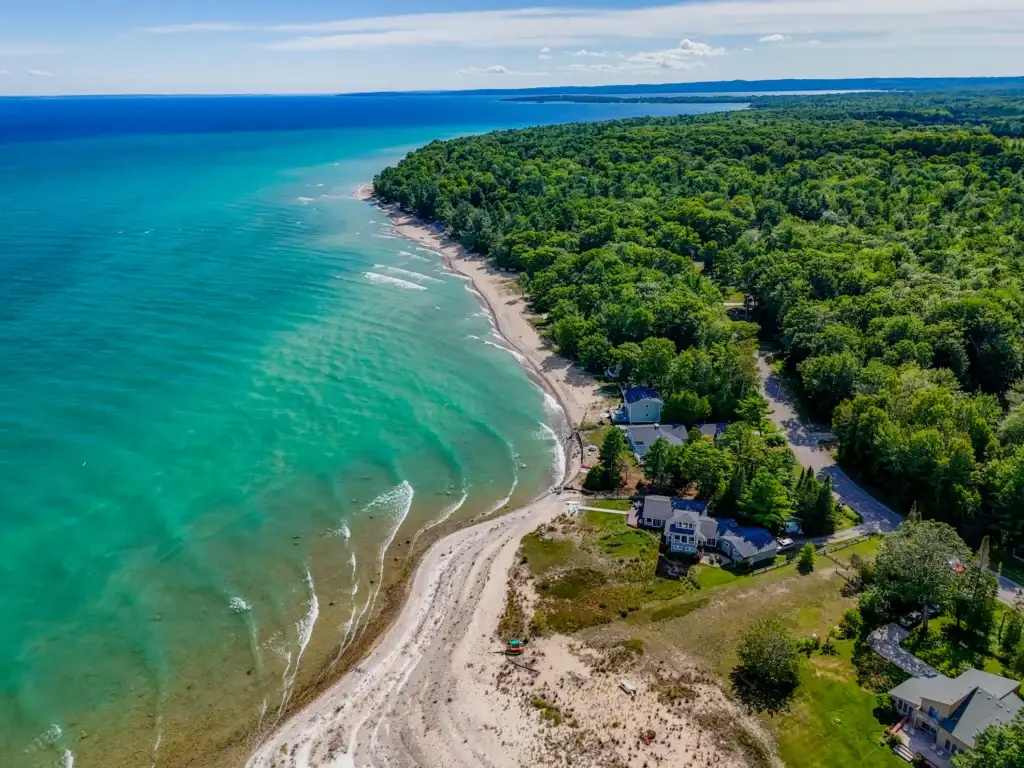
Waterfront homes appear along Lake Michigan, Northport Bay, and Omena Bay. Shoreline type, access, and orientation influence how these properties are used and maintained.
School and Community Context
Northport Public School serves students from kindergarten through high school. Its small size supports individualized learning and close ties between families and staff.
Early childhood education options in the area include Leelanau Children’s Center – Northport and Leelanau Children’s Head Start. School structure and community involvement are often part of how families evaluate long-term living arrangements.
Recreation and Public Access
Public access to land and water plays a central role in Northport life. Beaches, parks, trails, and preserves are distributed throughout the area.
Locations such as Haserot Park Beach, Northport Marina, Leelanau State Park, Christmas Cove Beach, and Peterson Park support everyday recreation. Trail systems connect different parts of the village and surrounding township, encouraging year-round use.
This level of access influences how residents interact with the landscape beyond private property boundaries.
Cost of Living Considerations
Housing represents the largest cost factor in Northport. Other expenses tend to align more closely with regional norms.
Many residents view the housing premium as connected to safety, access to nature, water frontage, and overall quality of life. Compared to other Lake Michigan shoreline communities, Northport often feels more stable and less pressured by short-term demand.
Amenities and Services
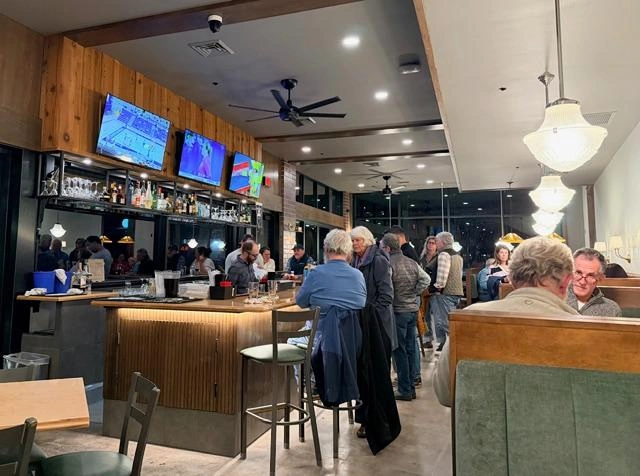
Despite its small size, Northport offers a range of everyday services, including a grocery store, restaurants, wellness providers, retail shops, and seasonal farmers markets.
This service mix reduces the need for frequent long-distance travel and supports year-round living. Convenience at this scale shapes how the village functions on a daily basis.
Healthcare Access
Local clinics address routine healthcare needs. Additional services are available in nearby Suttons Bay and Traverse City, including access to larger healthcare systems and specialty care.
Residents often use a combination of local and regional providers depending on their needs.
Historic and Natural Landmarks
Historic structures and landmarks contribute to Northport’s sense of place. The Grand Traverse Lighthouse anchors the peninsula, while historic village buildings reflect earlier agricultural and maritime use.
Natural landmarks, preserves, and shoreline access points reinforce the area’s long-standing connection to land and water.
Weather and Seasonal Rhythm
Lake Michigan moderates temperatures throughout the year. Summers tend to be cooler than inland areas, while winters are often less severe.
Seasonal transitions shape daily routines. Fall colors, spring blossoms, and extended shoulder seasons influence how the area is used and experienced.
Village Living and Township Living
Living within the village emphasizes walkability and proximity to services. Township living emphasizes space, acreage, and privacy.
Both patterns exist side by side and appeal to different preferences. The choice reflects how residents want to structure daily life rather than a single definition of value.
Waterfront Context and Scarcity
Waterfront property in and around Northport remains limited by geography. Shoreline type, access, and orientation all influence how properties are used.
Scarcity plays a role in long-term housing patterns, particularly for sandy-bottom and direct-access sites. These characteristics cannot be replicated once developed.
Summary of Observations
Northport functions as a year-round waterfront village shaped by geography, limited supply, and strong community structure. Housing patterns, public access, and seasonal rhythm interact to define daily life.
The information presented here is offered as contextual reference material, describing how Northport’s housing environment reflects the character and constraints of the place itself, without directing decisions or outcomes.