In Northern Michigan, waterfront property is often evaluated differently than inland homes. In addition to structures, layouts, and finishes, the condition of the lake itself becomes a primary point of focus.
This reference outlines observed patterns in how lake conditions interact with waterfront property perception over time. Emphasis is placed on water quality, shoreline stability, and long-term lake health as they relate to confidence and market behavior, rather than on recommendations or actions.
Jump to Section
TL;DR — Key Takeaways
- Lake conditions play a central role in how waterfront property is perceived.
- Clear water is commonly associated with stronger confidence than murky or unstable conditions.
- Algae blooms and erosion can influence reputation beyond their immediate duration.
- Infrastructure such as septic systems and drainage affects long-term lake health.
- Buyers increasingly review lake-related data alongside property features.
- Stewardship and monitoring activity contribute to long-term confidence.
Why Lake Conditions Matter in Waterfront Evaluation
For many waterfront properties, the lake represents the defining feature. Visual impressions form quickly and often carry weight alongside, or ahead of, interior characteristics.
Observed behavior suggests that water appearance is commonly interpreted as a signal related to recreation, environmental quality, and long-term stability. These impressions influence how properties are compared even before detailed evaluation occurs.
Water Clarity as a Visual Signal
Water clarity is among the most immediately noticeable characteristics of a lake.
Clear water is frequently associated with swimming comfort, recreation, and perceived health. Murkier conditions tend to raise questions, even when underlying causes are not immediately visible.
Studies in Midwestern lake markets have shown correlations between higher clarity and higher sale prices on lakes with historically lower clarity. Similar patterns appear in Northern Michigan, where clearer lakes often generate stronger interest and shorter evaluation periods.
Algae Blooms and Reputation Effects
Harmful algal blooms, including cyanobacteria, can alter perception quickly.
Even when blooms are temporary, they often influence how a lake is discussed. Buyers may recall advisories or news coverage longer than the actual duration of the event. This reputation effect can persist after conditions improve.
Observed patterns indicate that confidence often returns gradually following sustained periods of stability.
Shoreline Stability and Erosion Patterns
Shoreline condition affects both water quality and long-term site considerations.
Erosion can introduce sediment into the lake, affect clarity, and raise questions about future stabilization. Signs of erosion are often noted during shoreline walks and incorporated into broader evaluation.
Vegetated or naturalized shorelines are frequently associated with greater long-term stability. Hardened shoreline treatments, such as seawalls, perform differently depending on site conditions and exposure.
Septic Systems and Nutrient Load
Septic systems are a recurring point of discussion in waterfront evaluations.
Older or undocumented systems often introduce uncertainty regarding nutrient contribution. Buyers frequently reference system age, maintenance history, and inspection records when considering lake impact.
Observed transactions suggest that documentation tends to reduce uncertainty, while unknown conditions may influence later negotiation or timing.
Stormwater Runoff and Site Design
Site design influences how stormwater moves across a property.
Impervious surfaces such as roofs, patios, and driveways can accelerate runoff, potentially carrying sediment and nutrients toward the lake. Drainage patterns are sometimes observed during showings, particularly after rainfall.
Properties with visible runoff management features are often associated with longer-term consideration of lake conditions, which can influence perception.
Invasive Species and Usability
Invasive species such as zebra mussels, milfoil, and starry stonewort affect how lakes function.
Some invasives increase water clarity while altering ecological balance, creating mixed signals. Regardless of ecological nuance, the presence of invasives often introduces questions about maintenance, regulation, and future conditions.
Observed buyer conversations suggest that invasive management history plays a role in overall comfort level.
Long-Term Lake Health Trends
Many buyers now review available lake data as part of their evaluation process.
Historical records related to clarity, nutrient levels, and monitoring provide context beyond what is visible on a single visit. Lakes with long-standing, publicly available data often inspire greater confidence.
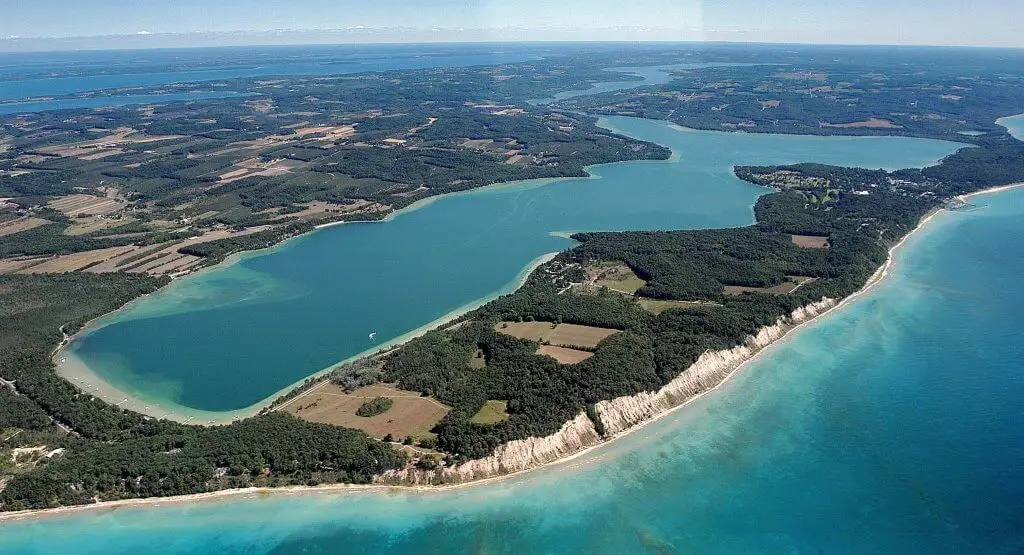
For example, Lake Leelanau maintains decades of monitoring information that allows trends to be assessed over time.
Lake Associations and Stewardship Activity
Lake associations often contribute to monitoring, education, and coordinated management efforts.
Observed patterns suggest that organized stewardship is viewed as a stabilizing factor. Associations involved in monitoring and proactive initiatives reduce unknowns and demonstrate long-term attention.
Stewardship activity contributes to collective perception of a lake rather than being tied to individual properties alone.
Preparedness and Documentation
Preparedness in waterfront contexts is often reflected through documentation.
Records related to septic systems, shoreline work, monitoring participation, and maintenance history help clarify conditions. In many evaluations, the lake itself is treated as a long-term constant, with homes assessed in that context.
Clear documentation tends to support smoother evaluation processes.
Frequently Asked Questions
Does water clarity influence buyer interest?
Observed patterns indicate that clarity strongly shapes first impressions and confidence.
Do algae blooms affect perception long term?
Reputation effects often extend beyond the duration of the bloom.
Are natural shorelines viewed differently than hardened ones?
They often are, particularly where stability and filtration are visible.
Do buyers review lake data?
Increasingly, available monitoring information is reviewed.
Is the lake treated as more important than the house?
In many waterfront evaluations, the lake is considered a primary asset.
Summary of Observations
Lakefront property value in Northern Michigan is closely tied to lake conditions and long-term environmental patterns. Water clarity, shoreline stability, nutrient management, invasive species presence, and stewardship activity all influence how properties are perceived over time.
The material presented here is offered as contextual reference content, describing how lake health and property evaluation intersect without directing actions or outcomes.